Less infrastructure, more school.
A school without electricity sounds like a limitation. At Wablewadi, it became the starting point.
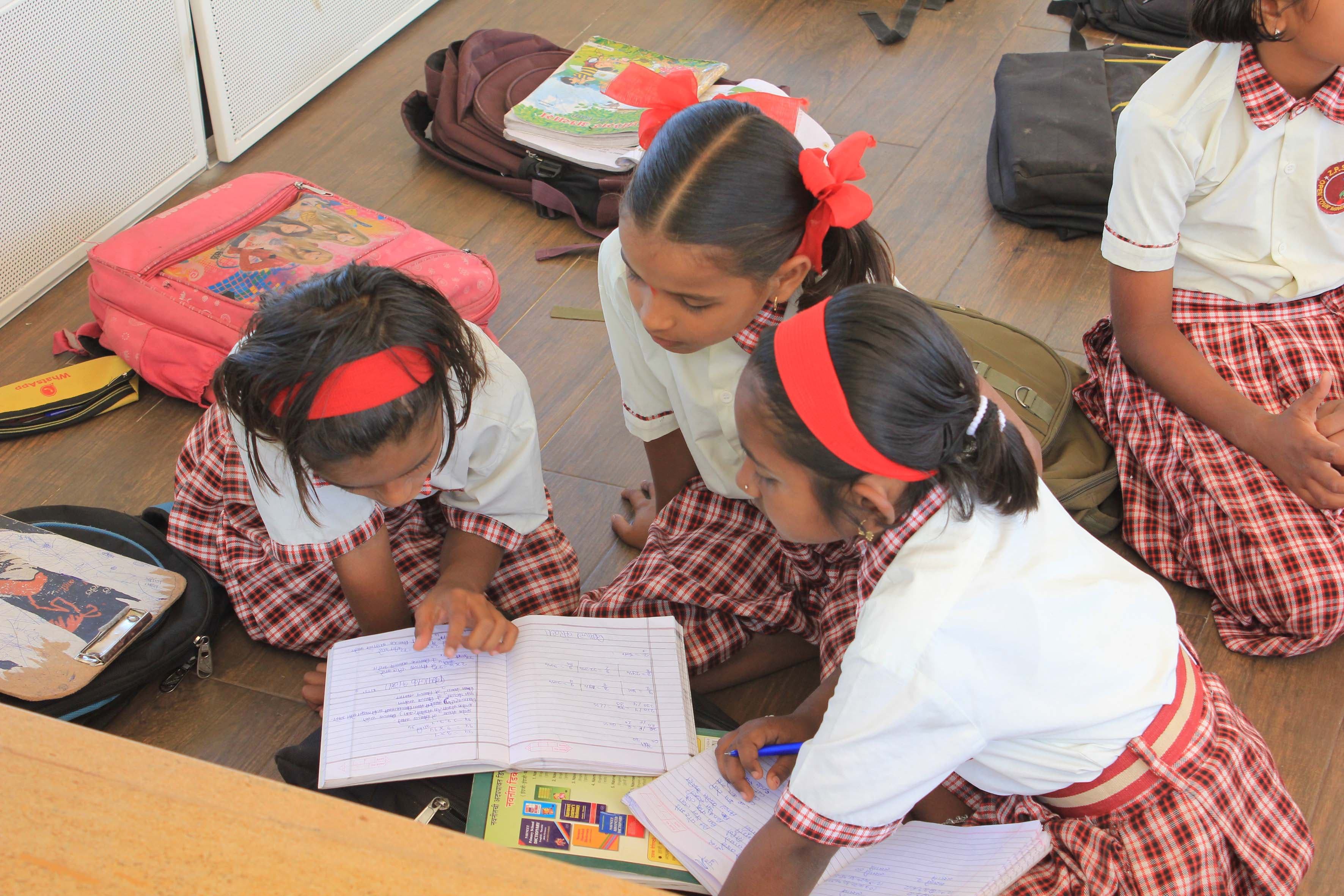
The Zila Parishad School sits within a rural landscape where resources are limited, the teacher may have to work across several grades, and the classroom cannot depend on the infrastructure that conventional schools take for granted. The design responds not by doing less, but by asking what a school actually needs to make learning happen.
A ventilated layer
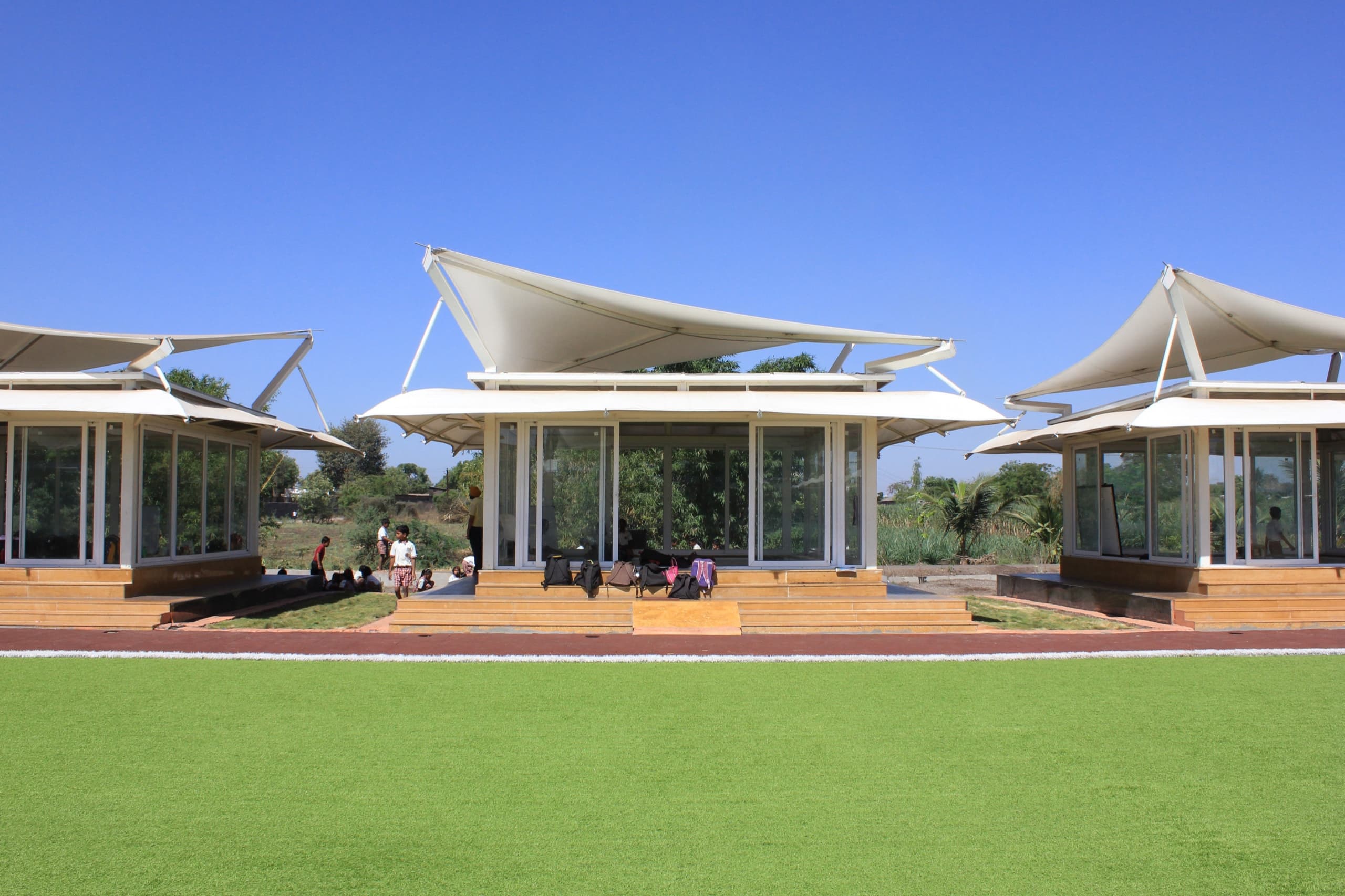
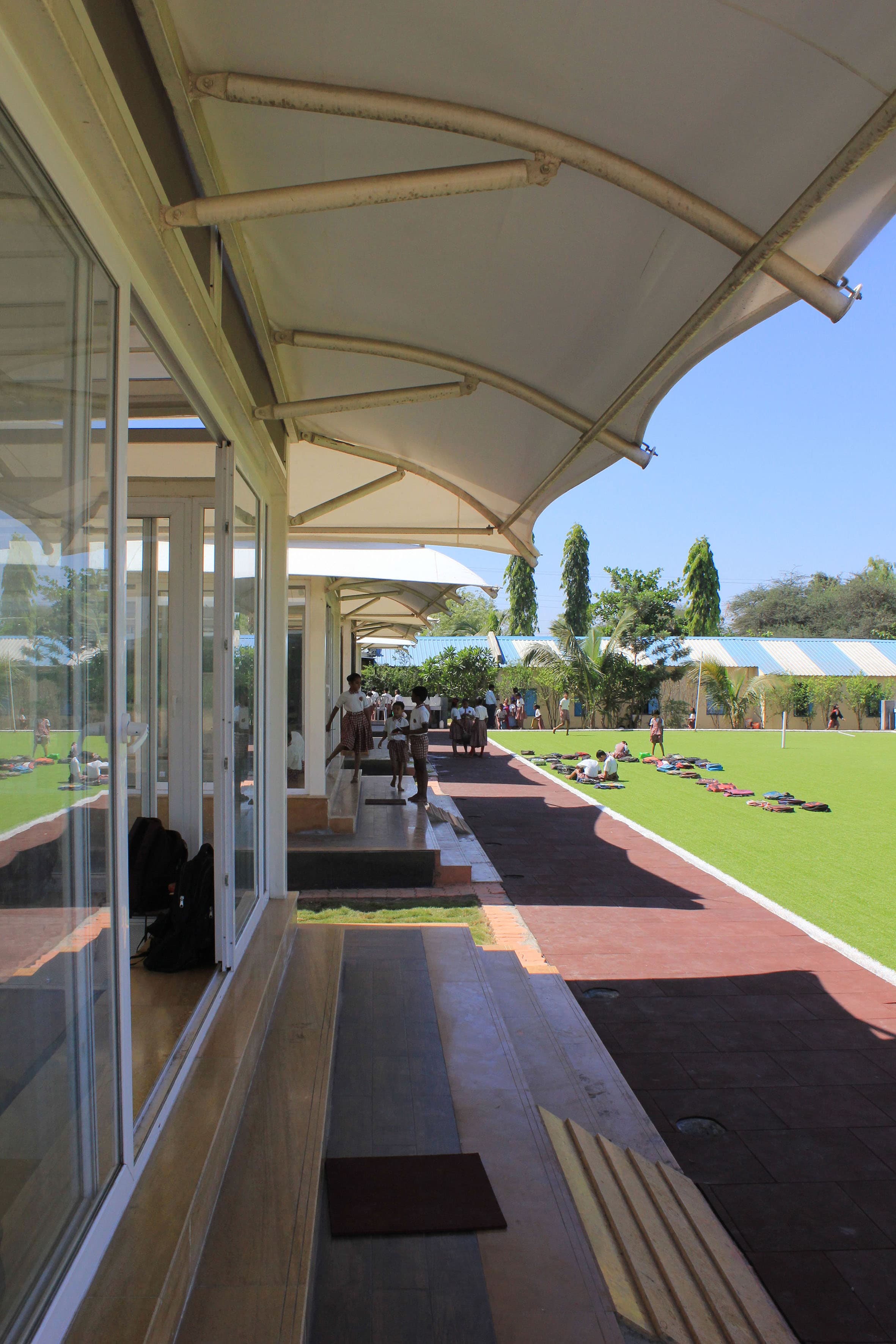
The classrooms sit beneath sail-like tensile canopies, sheltering translucent polycarbonate roofs below. The space between them becomes a ventilated layer, shading the classrooms while allowing air to move freely. Beneath this, the classrooms open completely to the trees and fields around them.
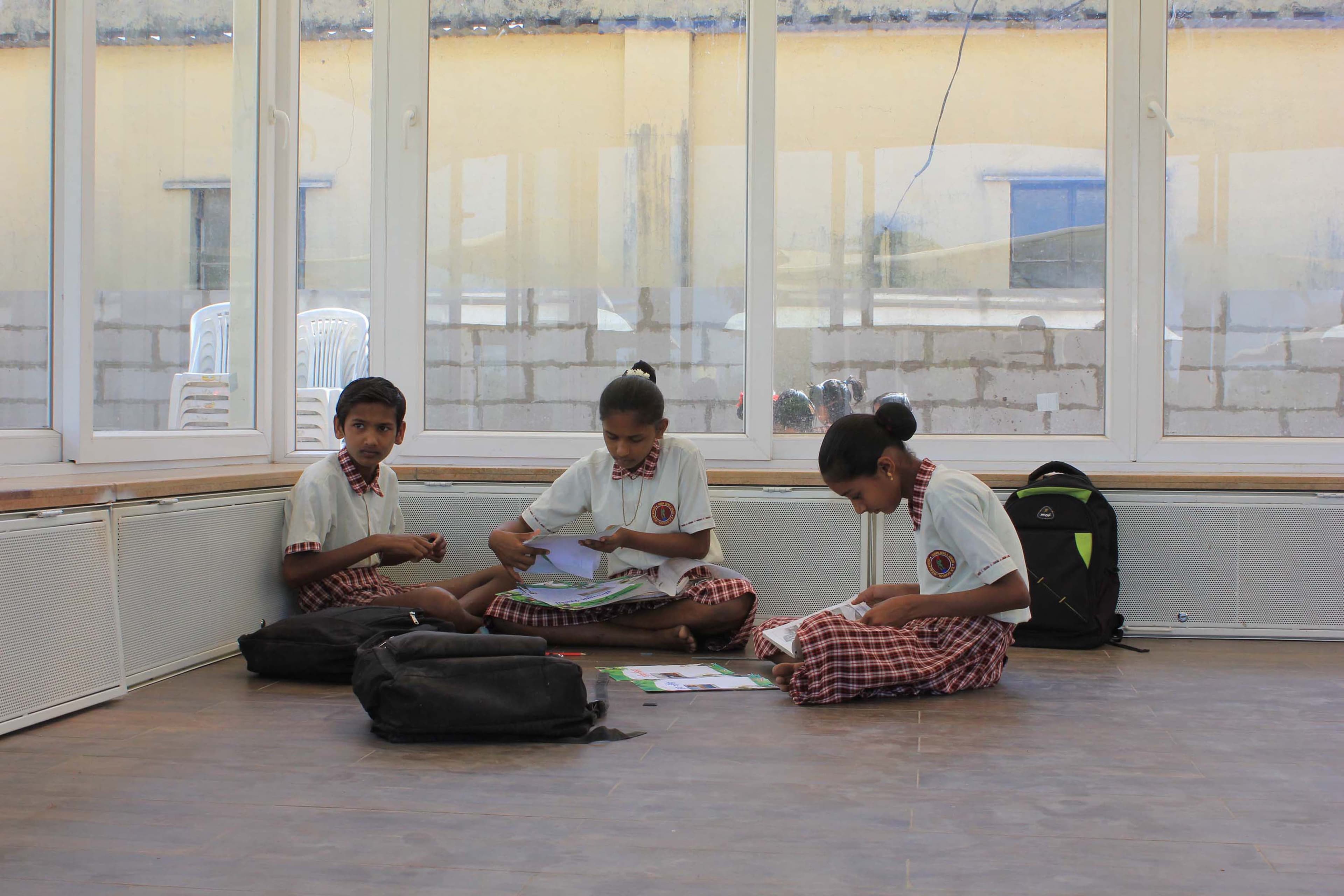
The openness changes more than the climate. A teacher can work with one group indoors while another continues outside, within sight and earshot. Children can move between activities, work together or find their own place to learn. The building makes room for different kinds of attention.
The landscape as classroom
The landscape becomes another classroom. The open turf field asks nothing of the children except that they use it. Play, interaction and exploration happen without equipment prescribing what they should become.
The result is a school where the absence of the grid is not experienced as absence. The building itself teaches that comfort, learning and play can come from what is already there.
The model has since been replicated across two additional rural schools.
More in Institutional
All projects