
What is
EXPERIENCE
DESIGN?
Experience design begins with people.
Not with form · Not with brand
 01
01
A hand reaches before we think.
A simple gesture, almost instinctive. Experience design observes these small human behaviours and gives them a place to happen.
 02
02

Sometimes, focus needs a place to hide.
A cocoon gives students a moment to withdraw from the collective, settle into their own space and return to learning on their own terms.
 03
03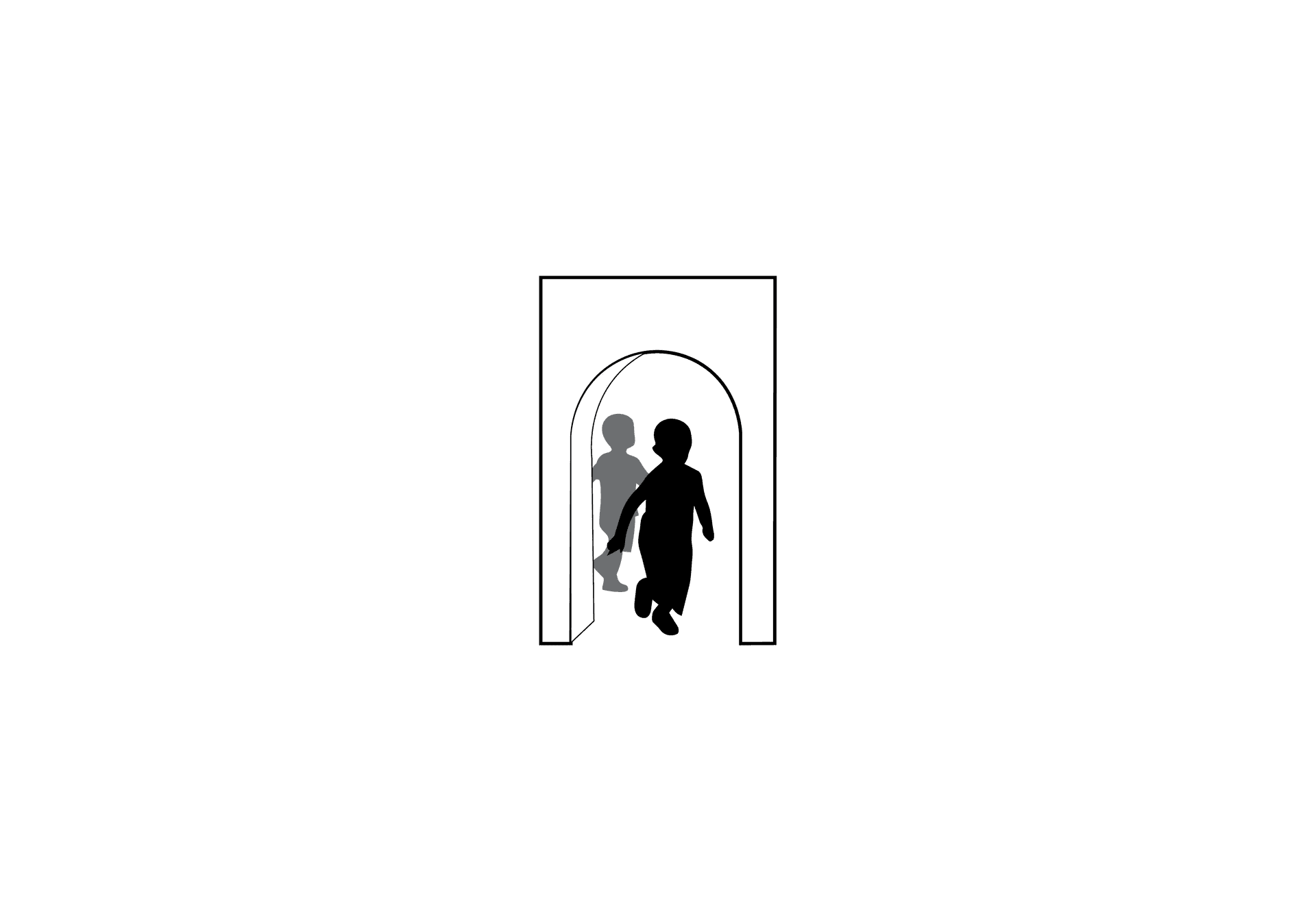
A space can make you feel like it belongs to you.
A doorway scaled to a child's height changes the relationship between the child and the classroom. Something as simple as proportion can make a shared space feel personal.
Scroll to bring each experience to life
Design has two constituents: memory & recall…
what you'll remember when you encounter the design, and what you'll remember it for…
The figments touchpoint journey
Anticipation
Anticipation begins before an experience. It is shaped by what people expect, imagine and understand before they enter. A glimpse, a promise or a question can create curiosity and set the tone for what follows.
Priming
Priming prepares people for what comes next. Through space, narrative, objects, information and interaction, the right context can be established, helping people understand what they are about to encounter and engage with it more meaningfully.
Experience
Experience is the encounter itself. It brings together space, objects, ideas, brands and people through what they see, hear, touch, understand and feel. Each interaction contributes to how the experience is perceived and remembered.
Impact
Impact is what remains after the experience. It can shape memory, recall, perception and behaviour, extending beyond the moment itself. The measure of an experience is therefore not only what happens, but what it leaves behind.
Creating impact at scale
For someone. For anyone. For everyone.
Research forms the bedrock of experience design.
RESEARCH
Practices
Museum & Experience Centre
Making stories experiential.
Stories, ideas and information become more engaging when people can experience them. Museums and experience centres bring together narrative, space, objects and interaction to make content easier to understand, explore and remember.
View work →Healthcare
Making care more human.
Healthcare is experienced through every interaction, not only through treatment. From arrival and wayfinding to consultation and recovery, the environment can support clarity, comfort and confidence alongside clinical requirements.
View work →Institutional
Designing spaces for learning.
Learning is shaped by the environment as much as the lesson. Educational spaces can support engagement, cognition and personalisation by giving students different ways to focus, interact, participate and make the space their own.
View work →Retail & Product
Making brands tangible.
Retail is where a brand becomes a physical experience. Product, space, service and interaction come together to create environments that build recognition, encourage discovery and strengthen the relationship between people and brands.
View work →Studio Figments is a unique synthesis of user-centric research, purpose-bred design and academic propagation of experience design. In their design(s) for India Design Council, they built their response around sustainability through judicious choice of material and sensitive detailing. Their work has contributed immensely to the promotion of design amongst masses and have elevated the standards of public design.

Pradyumna VyasMember Secretary, India Design Council