The central premise
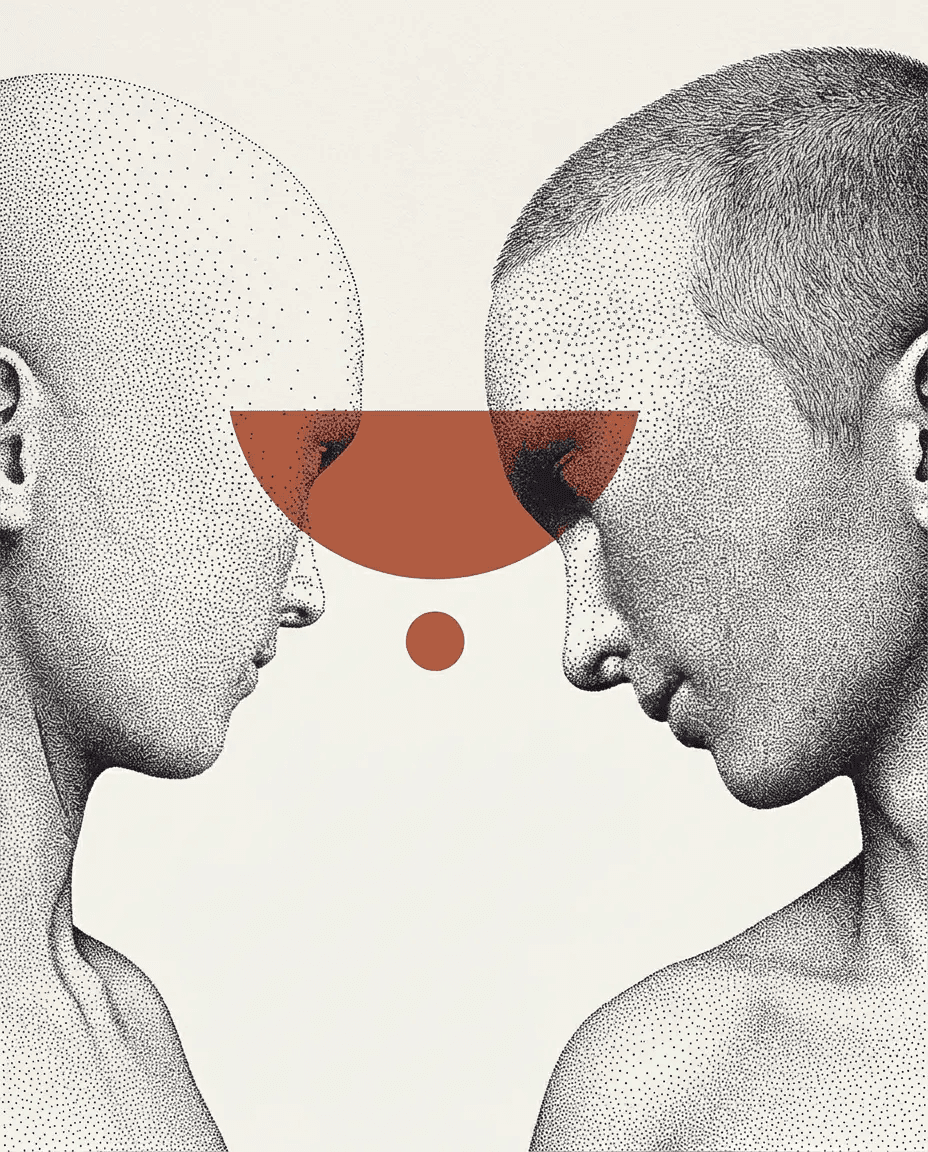
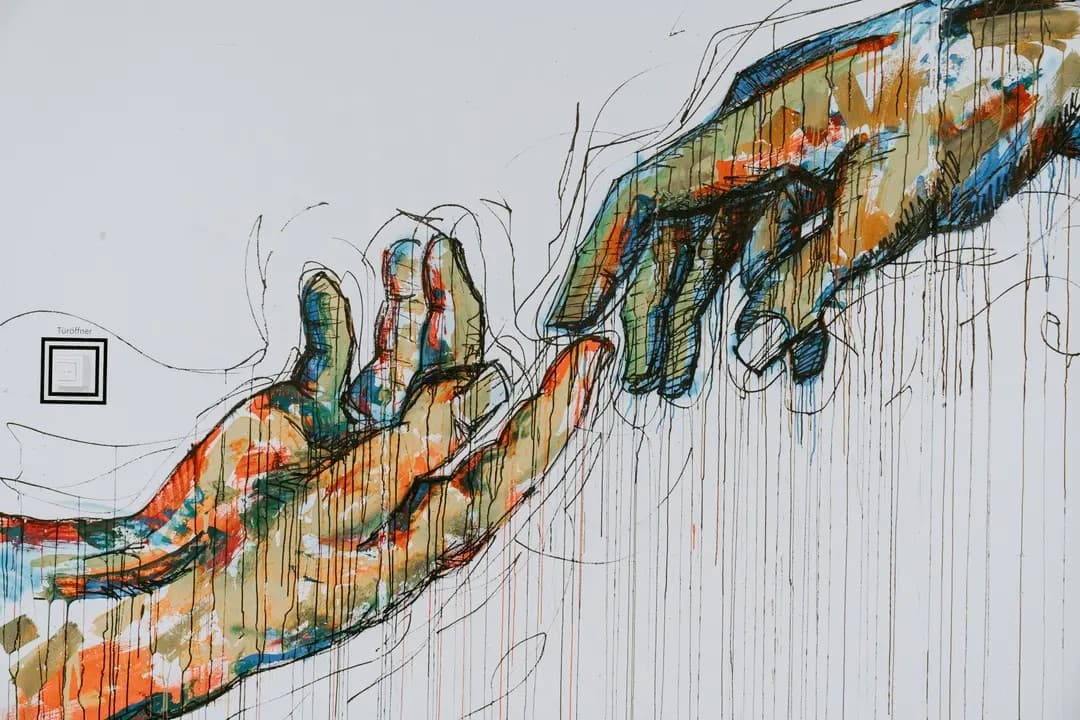
Every entity has a story to tell. Research begins before the design begins.
Not a tagline. Not a script. A story, in the sense of a human truth that already exists shaped by people, their behaviours, memories, needs and circumstances whether or not anyone has taken the time to notice it.
Before we design anything, we look for that truth. We observe, question, research and connect the fragments until something begins to reveal itself. Because meaningful experiences are not invented from nothing; they emerge from understanding what is already there.
Every entity is a position in the world. It makes a promise, expresses a belief, creates an expectation or proposes a different way of seeing and doing something. Our task is to understand that meaning before attempting to give it form. The work does not begin with a visual language or a predetermined solution. It begins with attention.
Moves before form
Observe
We look before we ask.
Question
Why does it matter, and for whom.
Connect
Fragments placed against each other.
Interpret
What it means, and why.
The reason to look closer
Why does it matter? For whom does it matter?
Values
Purpose
Intent
Values describe what it stands for, purpose describes why it exists, and intent describes what it seeks to change. Together, these questions give the research a clear human centre. They help us understand not only what a proposition is trying to do, but why it matters, who it matters to, and what kind of change it hopes to create. This keeps research from becoming an accumulation of interesting information, observations, or references, and instead directs every discovery towards understanding the relationship between the proposition and the people who encounter it.
Three routes into the question
Fragments are not answers.
Case studies
Primary research
Secondary research
Case studies, secondary research and primary research bring together fragments of information, observations and evidence from different perspectives. On their own, these fragments may reveal interesting details, but they do not yet explain the larger picture.
Interpretation is where these fragments begin to speak to one another — where connections, contradictions and recurring behaviours become visible. By placing what we find in context, we move beyond collecting information to understanding what it means, what it reveals, and why it matters.
From story to presence
A story becomes a journey.
A journey becomes touchpoints. Touchpoints take form through space, objects and information. The narrative is not simply displayed — it is embedded in movement, material, light, sound, interaction, pause and participation.
Space
Object
Information
Research the meaning. Shape the experience.
More in Research
All projects